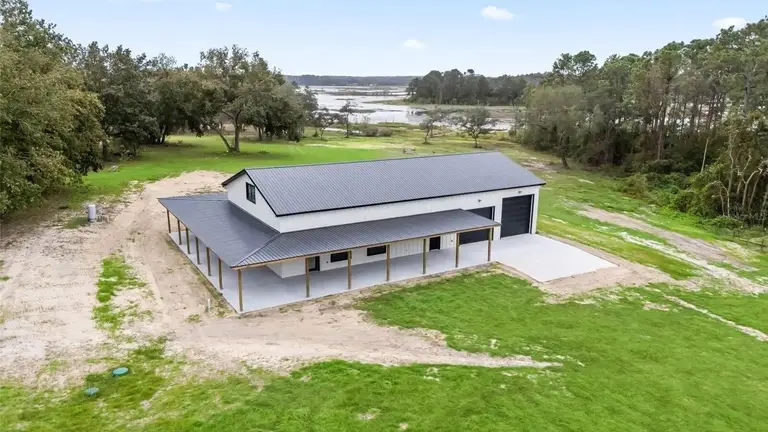
Metal Roofing in Ocala, FL
Standing seam and exposed-fastener panel systems for homes, barns and shops. The longest-lived roof you can put on a Florida house.
Metal is the longest-lived roof you can put on a Florida house, and in Marion County it has stopped being a barn-only choice. Standing seam on new custom homes, exposed-fastener panel on farmhouses, shops and manufactured homes, and metal replacing shingle on a lot of older homes whose owners are tired of re-roofing every fifteen years. It sheds wind-driven rain, it does not care about UV the way asphalt does, and it does not grow algae on the north slope.
The trade-off is up-front cost and the fact that metal is much less forgiving of a sloppy installer. Panel choice, fastener spacing, underlayment, clip type and how the eave, ridge and penetrations are detailed decide whether a metal roof is a fifty-year roof or a fifteen-year headache. We install both standing seam and exposed-fastener systems and we will tell you plainly which one your building actually needs.
Standing seam
Concealed clips, raised seams
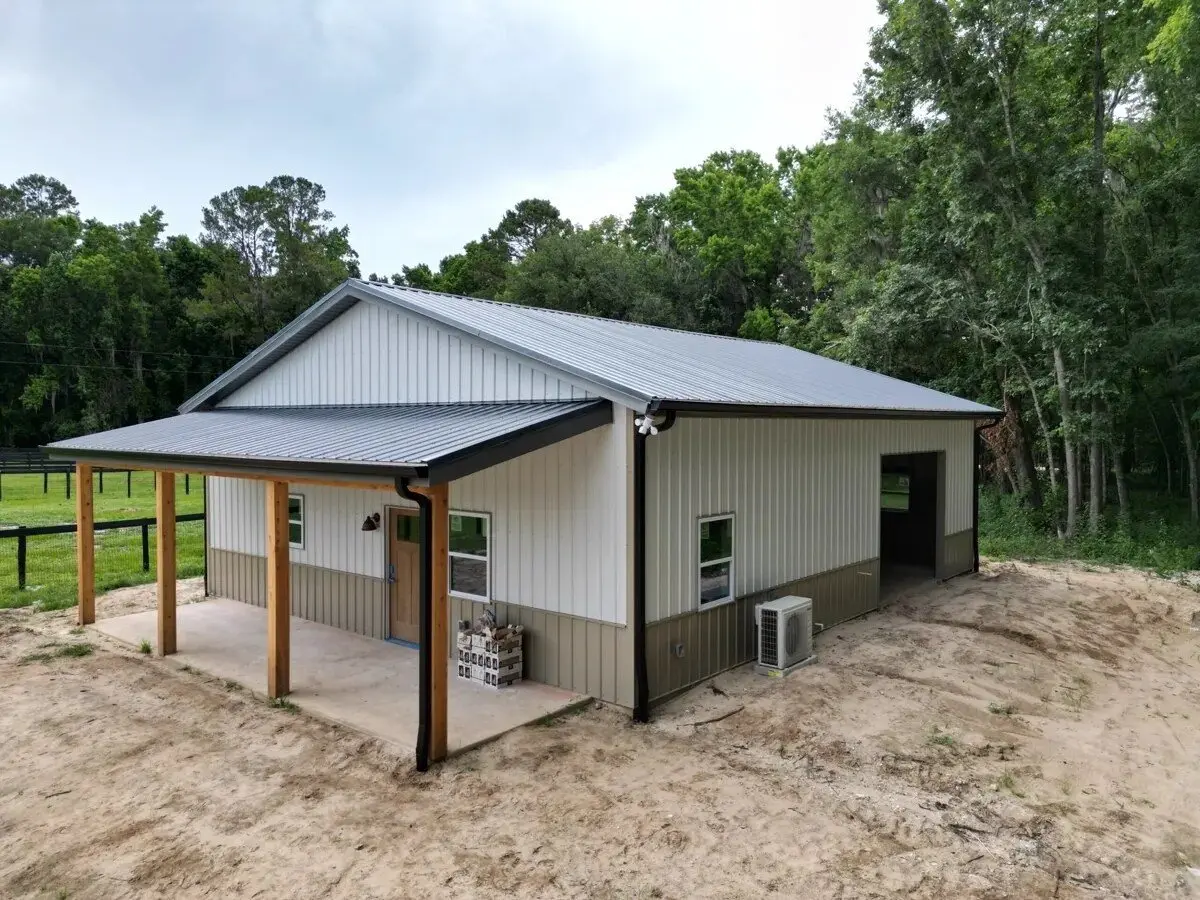
Exposed fastener
5V crimp, R-panel / PBR, "ag panel"
Which one you want: Standing seam on the house if the budget allows. Exposed fastener on the barn and the shop. If exposed fastener goes on the house, plan on a fastener inspection every several years and do not let anybody install it with the screws in the flat of the panel where the water runs.
What decides a metal roof quote
Gauge is thickness; lower number is heavier. 26 gauge is a sensible residential minimum. 29 gauge is barn material.
PVDF finishes hold color and resist chalking far longer in Florida sun. On a roof you can see from the street, it matters.
Galvalume is the Florida standard for steel. Aluminum is the answer near salt or standing water; we are inland, so it is rarely needed in Marion County except for specific corrosion situations.
Every hip and valley on a standing seam roof is hand-formed metalwork. A cut-up roof can double the labor.
Metal over existing shingle is permitted in some situations by code and product approval, and not in others. It is not a shortcut we take by default.
Metal sweats on the underside when the attic is humid. Underlayment and ventilation are chosen to handle it.
Metal and Florida wind, insurance and heat
Every metal panel installed on a Florida roof has to carry a Florida Product Approval (or Miami-Dade NOA) that specifies the clip or fastener spacing for a given design wind pressure. Marion County's ultimate design wind speed for an ordinary home is in the 130 mph range under the current Florida Building Code, and the installation has to follow the tested pattern for that pressure at the eaves, corners and field of the roof. Corners and edges see the highest uplift, which is why fastener spacing tightens up there.
For insurance, a metal roof gets the same current-code covering credit on a wind mitigation form as any new roof, plus a secondary water resistance credit if the deck is sealed underneath. Some carriers price metal more favorably for hail and fire; some do not distinguish. The reliable effect is on the roof-age clock, and a metal roof pushes that a long way out.
On heat: a light-colored or reflective-pigment metal roof reflects a large share of solar energy that a dark asphalt shingle absorbs, and the attic runs cooler for it. It is not magic and it does not replace insulation, but on a west-facing slope in Ocala in August it is noticeable.
Usually goes with
Related roofing services
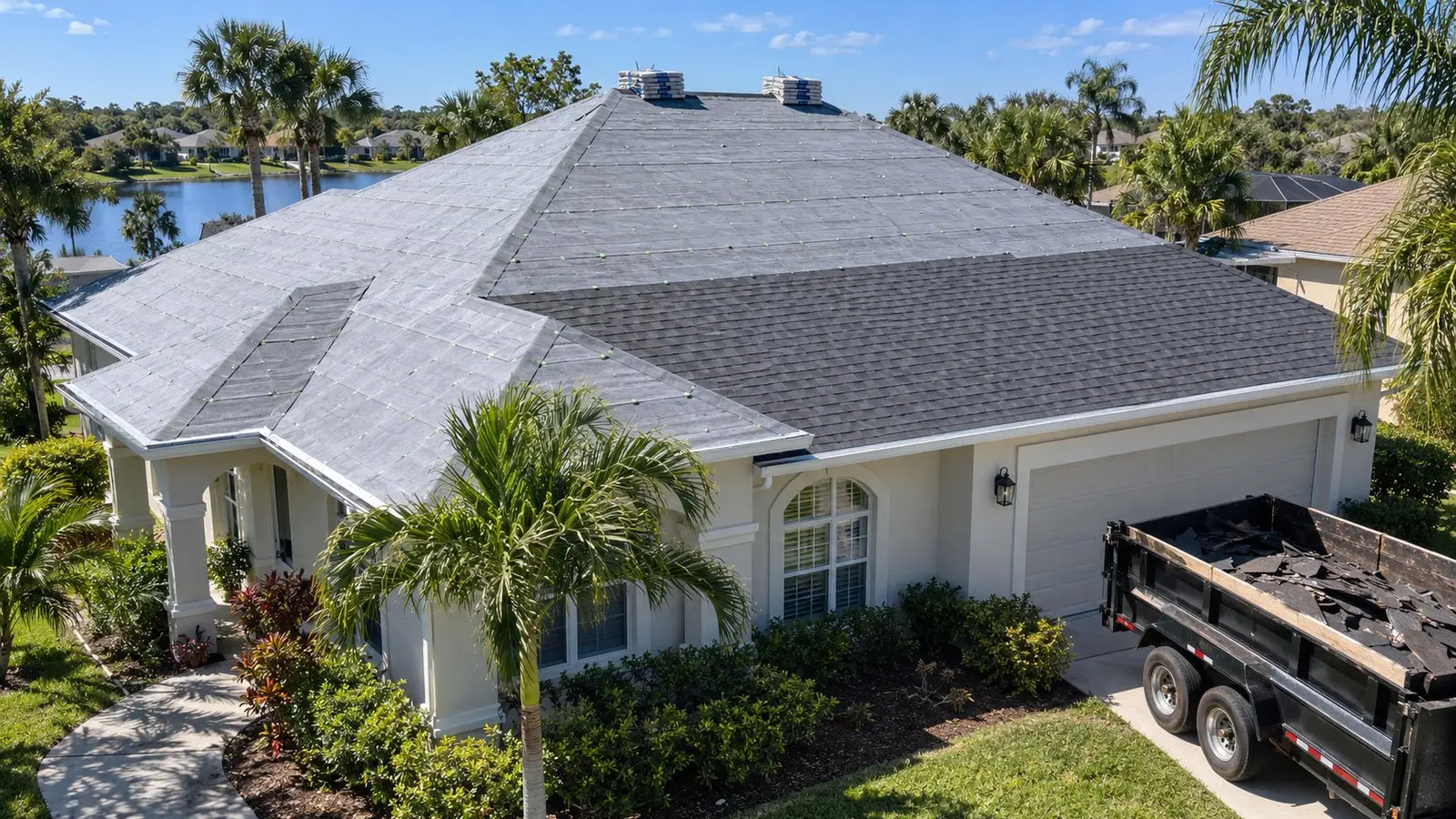
Roof Replacement
Tear-off to final inspection: a new roof system built to the current Florida Building Code, not just new shingles over old problems.
Roof replacement in Ocala →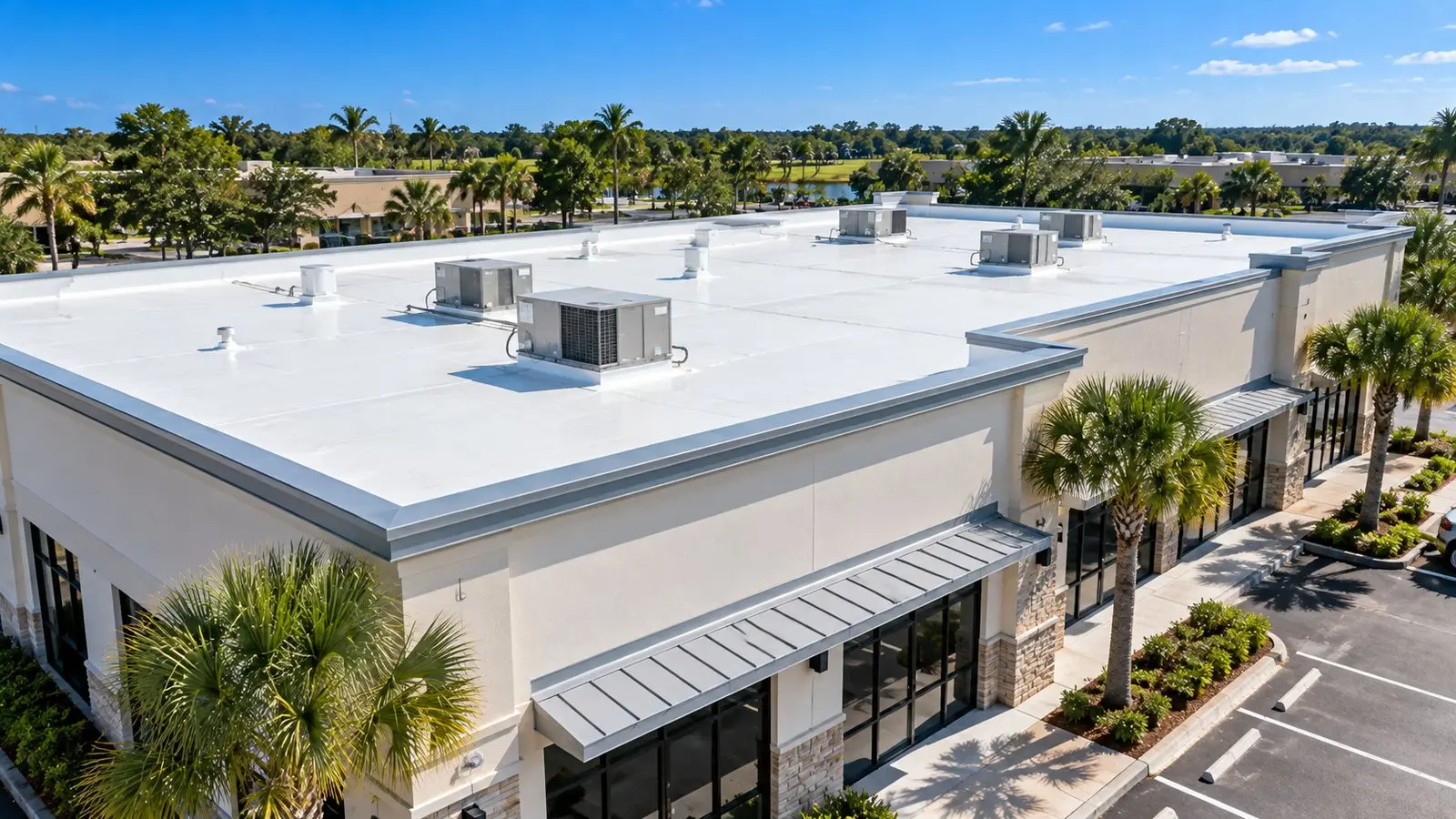
Commercial Roofing
Low-slope and metal roof systems for shops, offices, churches, barns and warehouses across Marion County.
Commercial roofing in Ocala →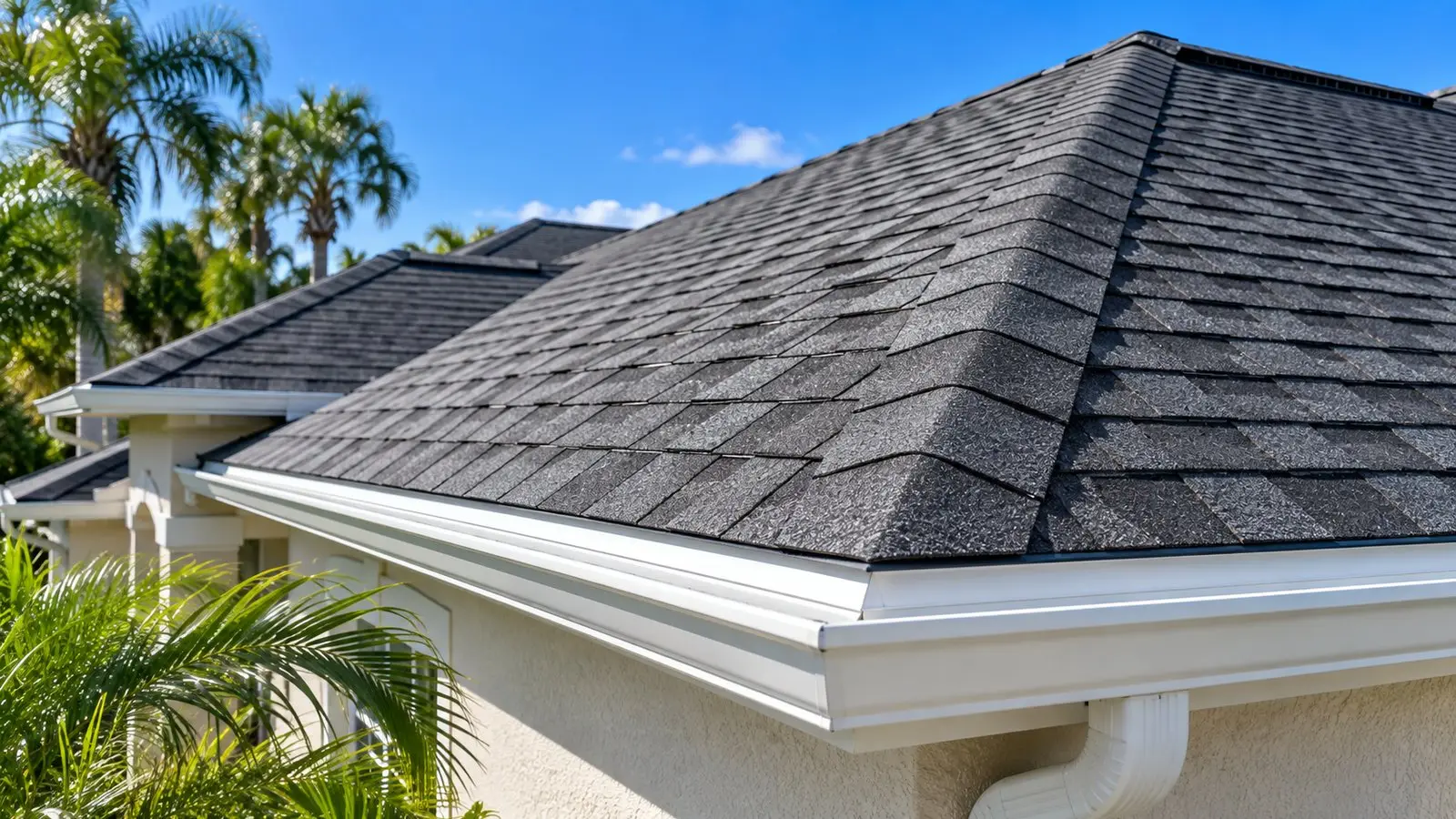
Shingle Roofing
Architectural asphalt shingles installed to Florida high-wind nailing patterns, with the underlayment and sealing the code now requires.
Shingle roofing in Ocala →Questions we get asked
Metal Roofing questions
Is a metal roof louder in the rain?
Does a metal roof attract lightning?
Can I put metal over my existing shingles?
How long does a metal roof last in Florida?
Will my HOA allow a metal roof?
Where we work
Metal roofing across Marion County
Free estimates
Get your estimate today
Tell us where the house is and what the roof is doing. We'll call you back and come look at it with you — free, and no obligation either way.