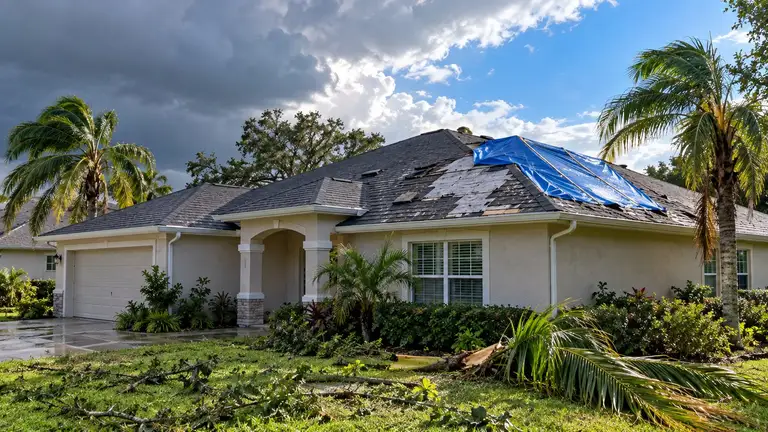
Storm Damage Roof Repair & Insurance Claims in Ocala, FL
Tarping, documented damage inspections and a written scope your adjuster can work from. We fix the roof; we do not play games with your claim.
Hurricane season in Florida runs June 1 through November 30, and while Marion County is inland and does not take the coastal eye-wall hits, it has had tropical-storm and hurricane-force wind across it in recent years, plus the everyday summer thunderstorms that put a sixty-mile-an-hour gust and a limb through somebody's roof every week. Storm roof work here is mostly wind and trees: lifted and torn shingles, peeled metal panels, punctured decks, and ridge caps in the yard.
We tarp, dry in and repair storm-damaged roofs across Ocala and Marion County, and we document what we find so that you have a clear, photographed scope to hand your insurance adjuster. We fix roofs. We are not adjusters, we do not "handle your claim," and Florida law is specific about what a roofing contractor can and cannot do around an insurance claim. We follow it.
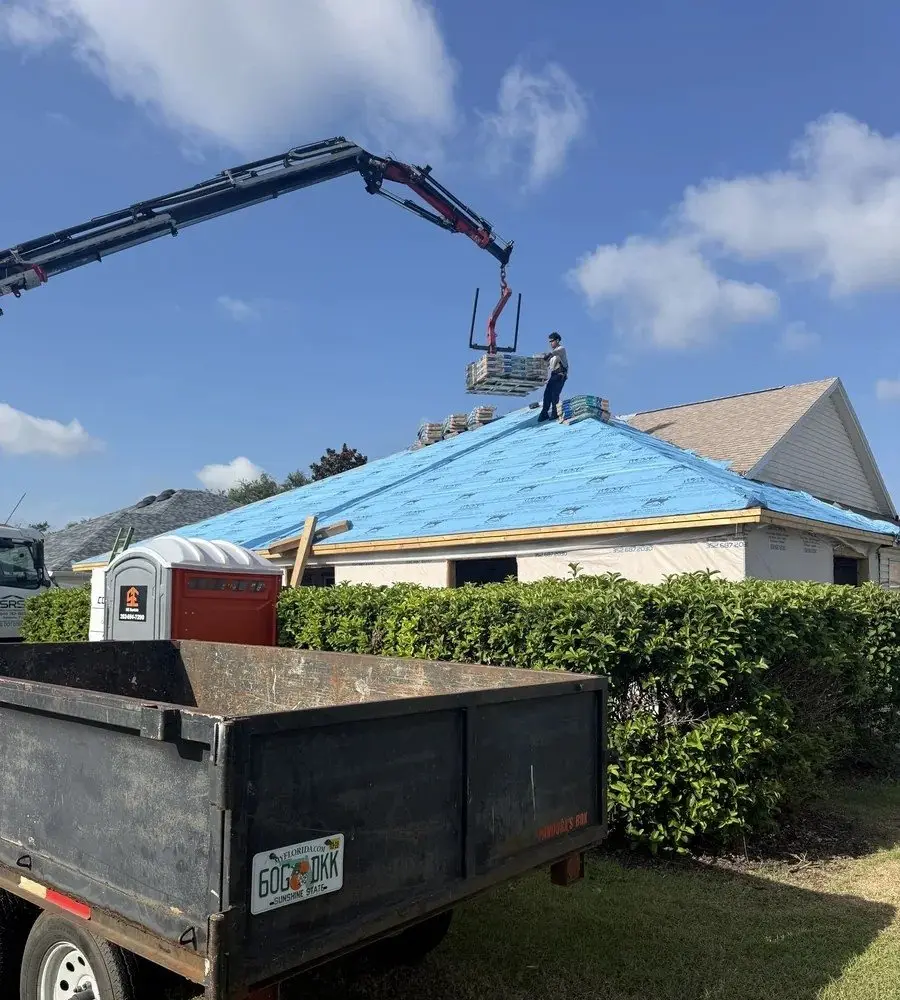
What to do after a storm
In this order. The first two protect the house; the middle ones protect the claim.
- Stop the water If water is coming in, call us for an emergency tarp or dry-in. Your policy expects you to take reasonable steps to prevent further damage, and a tarp is exactly that. Keep the receipt.
- Photograph everything Roof from the ground, the yard, the interior stains, the debris. Date-stamped phone photos are fine. Do it before anything is cleaned up.
- Get a documented inspection We get on the roof, photograph every slope and every damaged component, and write a scope of what storm damage exists and what it will take to repair it. That document is yours.
- Report the claim to your carrier yourself You file it, on your policy, in your name. Florida law does not allow a roofing contractor to file or adjust a claim for you, and any contractor offering to is a red flag.
- Meet the adjuster with the scope in hand We are glad to be on site when the adjuster inspects so the damage we documented is pointed out, not overlooked. The adjuster decides what the policy covers; we decide how to fix the roof.
- Repair or replace Once the claim is settled, we do the work as a normal permitted repair or replacement. If the adjuster's scope missed something, we will document it for you to raise with the carrier.
What Florida law says about roofers and claims
Section 489.147 of the Florida Statutes, in force since 2021, prohibits roofing contractors from advertising or soliciting in a way that encourages you to file an insurance claim, from offering anything of value (rebates, gift cards, "free" roofs) in exchange for a claim, from offering to pay or waive your deductible, and from interpreting your policy or adjusting your claim, which is work that requires a public adjuster license. Contractors who do this can lose their license and the homeowner can end up with a claim that is denied for fraud.
The state also ended assignment-of-benefits agreements on residential policies issued after January 2023 (SB 2-A), so you will not be asked to sign your claim over to us. We give you a written scope and a price. You and your carrier settle the claim. We do the roof. That is the whole relationship, and it is the only one that keeps everybody out of trouble.
A practical note on the 25% rule: since SB 4-D (2022), a roof permitted under the 2007 Florida Building Code or later (permits from March 2009 on) can have a large storm repair without the whole roof being forced to current code. An older roof still can. Your permit history decides which, and we check it before we tell you whether your damage is a repair or a replacement.
Storm damage we repair
- ✓Wind-lifted, creased and torn shingles, including "invisible" creasing that lets water under the tab
- ✓Missing ridge cap and hip shingles
- ✓Peeled, buckled or blown metal panels and lifted trim
- ✓Tree and limb punctures through the deck
- ✓Torn or displaced flashing and pipe boots
- ✓Emergency tarping and temporary dry-in
- ✓Gutters and downspouts torn off by wind or debris
- ✕General wear, granule loss and curling from age (the adjuster will call this maintenance, and they are right)
- ✕Leaks from failed sealant or boots that predate the storm
- ✕Algae and moss
- ✕Prior unpermitted repairs
We will tell you honestly which column your roof falls in. A claim for age-related wear is not a claim we will help you make, and it is not one a carrier will pay.
Usually goes with
Related roofing services
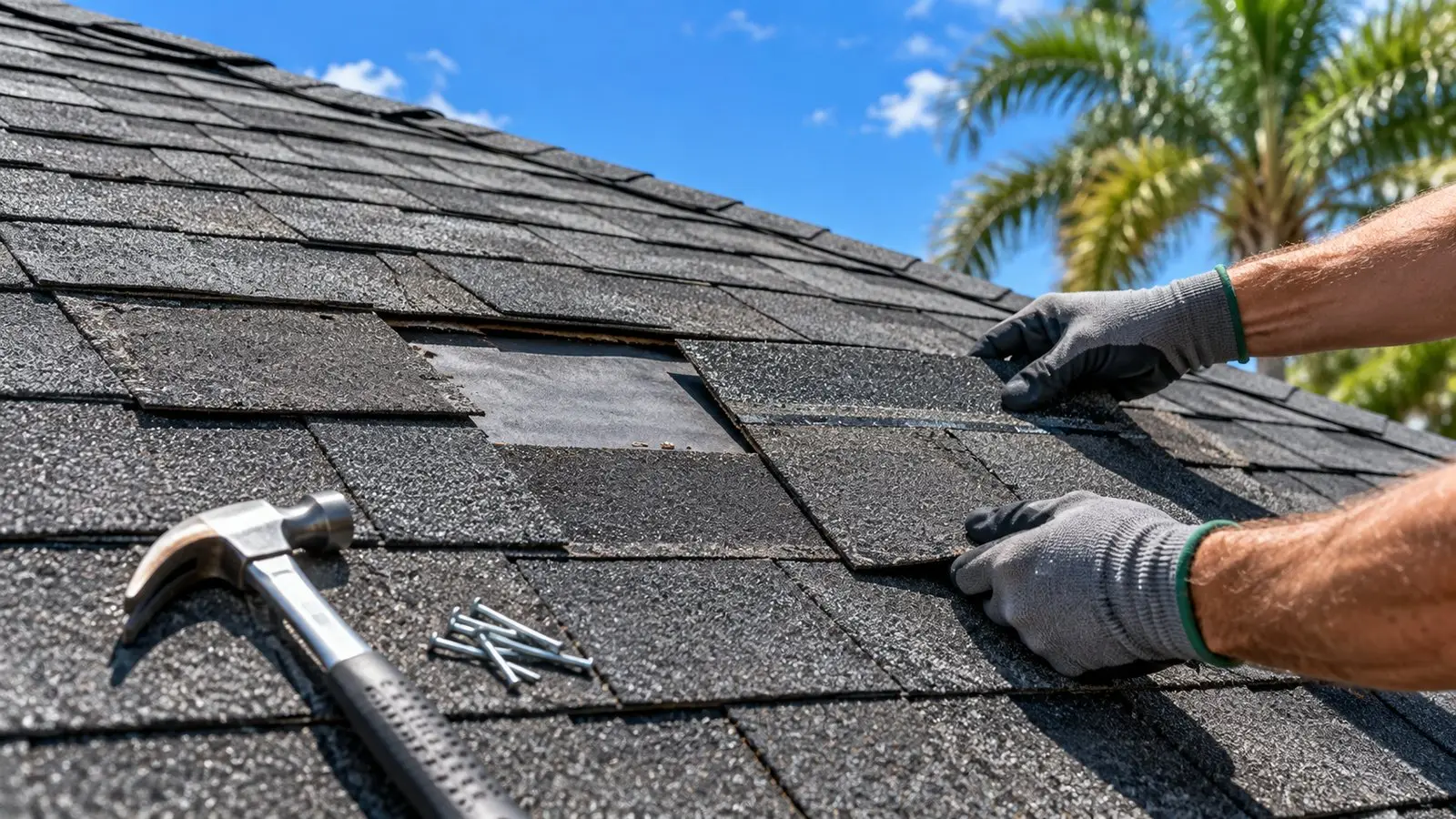
Roof Repair
Leaks found and fixed at the source. If a repair is the right answer we will say so; if it is throwing money at a roof that is done, we will say that too.
Roof repair in Ocala →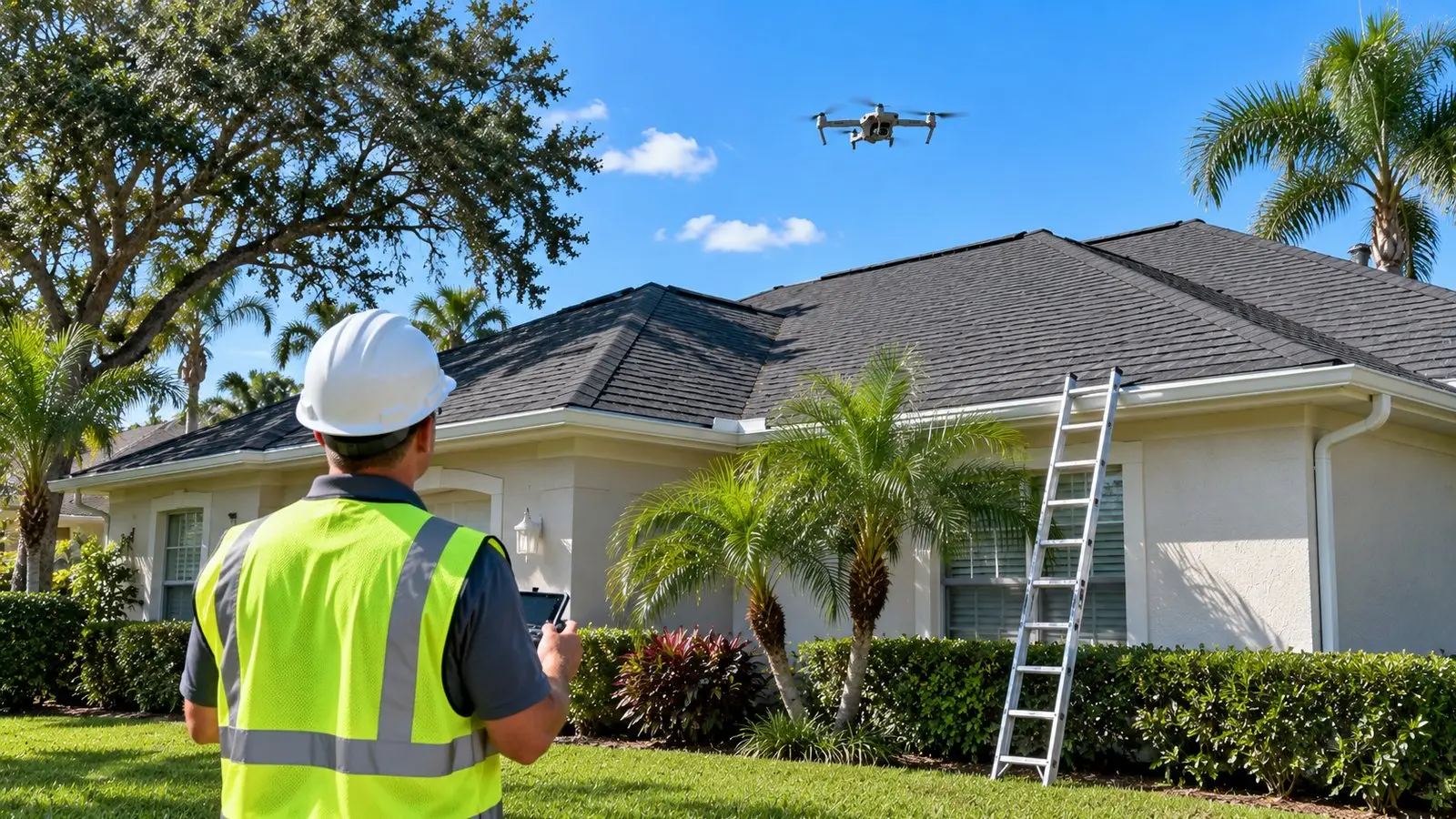
Roof Inspections
Written roof condition reports for buyers, sellers and insurance renewals, and straight answers about 4-point and wind mitigation inspections.
Roof inspections in Ocala →
Roof Replacement
Tear-off to final inspection: a new roof system built to the current Florida Building Code, not just new shingles over old problems.
Roof replacement in Ocala →Questions we get asked
Storm Damage questions
Should I file a claim or just pay for the repair?
Can you meet the insurance adjuster?
Do you waive deductibles?
How fast can you get a tarp on?
A door-knocker said my roof has storm damage. Is that real?
Where we work
Storm damage roof repair across Marion County
Free estimates
Get your estimate today
Tell us where the house is and what the roof is doing. We'll call you back and come look at it with you — free, and no obligation either way.