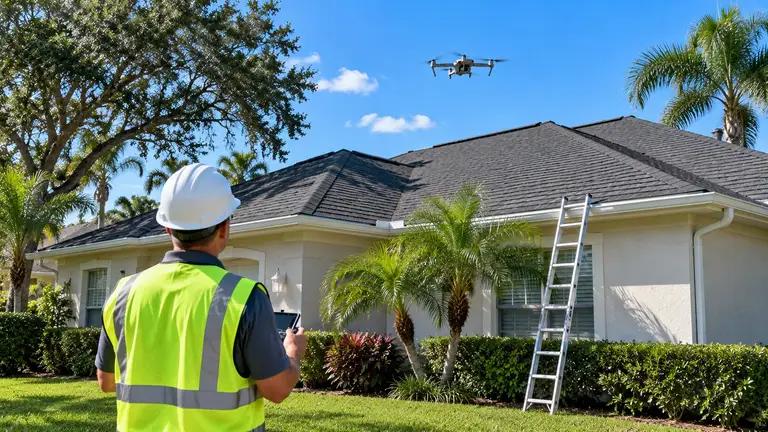
Roof Inspections in Ocala, FL
Written roof condition reports for buyers, sellers and insurance renewals, and straight answers about 4-point and wind mitigation inspections.
Roof inspections in Florida have become an insurance event more than a maintenance one. Carriers want to know how old the roof is and how much life it has left, buyers want to know what they are getting into, and sellers want to know before the buyer's inspector tells them. A written roof condition report from a licensed roofing contractor answers all three.
We inspect roofs across Ocala and Marion County and put what we find in writing with photos: covering type and condition, estimated remaining life, deck and attic condition where accessible, flashing, penetrations, ventilation and any active or past leaks. If the roof is fine we say so. We are not in the business of finding problems to sell repairs.
Roof condition report vs 4-point vs wind mitigation
These get confused constantly, so here is the difference. A roof condition report is what a roofing contractor produces: a detailed look at the roof itself, with an opinion on remaining life. Insurers often ask for one when a roof is older, and under s. 627.7011(5) of the Florida Statutes an inspection showing five or more years of remaining life is what stops a carrier from declining a fifteen-year-plus roof solely on age.
A 4-point inspection covers four systems: roof, electrical, plumbing and HVAC. It is a carrier requirement on older homes (the age threshold is the carrier's call, commonly somewhere around twenty to thirty years), and it is usually performed by a licensed home inspector or a general contractor rather than a roofer, because three of the four points are not roofing. The roof section asks for covering type, age, condition and remaining life, and a roofer's condition report is often attached to support it.
A wind mitigation inspection is the one that saves you money. It documents the features that make a house resist hurricane wind, on the state's OIR-B1-1802 form: roof covering and whether it meets current code, roof deck attachment, roof-to-wall connection (toe nails, clips or straps), roof geometry (hip vs gable), secondary water resistance, and opening protection. Florida law (s. 627.0629) requires insurers to give discounts for these features, and the credits can be substantial. It is performed by a licensed inspector, contractor, engineer or architect. After we replace a roof we will tell you which lines on that form just changed in your favor.
What is in our roof condition report
- ✓Covering type, approximate age (from permit records where available) and condition
- ✓Remaining useful life opinion, in writing
- ✓Photos of every slope, all penetrations and any defects
- ✓Deck condition and any soft spots, from the roof and from the attic where accessible
- ✓Flashing, drip edge, valleys, boots and sealant condition
- ✓Ventilation adequacy and signs of attic moisture
- ✓Evidence of past repairs, layers or unpermitted work
- ✓A repair or replacement recommendation if one is warranted, priced separately
- ✕Electrical, plumbing or HVAC (that is the rest of a 4-point, done by a home inspector)
- ✕Complete the OIR-B1-1802 wind mitigation form for a roof we did not install (ask; a licensed inspector is often the better route)
- ✕Guarantee that your carrier will accept a specific remaining-life number
- ✕Inflate or shade a finding to sell you a roof
When to get the roof looked at
- Before you list or before you close Sellers: know what the buyer's inspector will find and fix it or price it. Buyers: a roof past its insurable life changes what the house costs to own.
- When the renewal letter mentions the roof Carriers ask for a condition report, a 4-point, or both. Get it done early; a declined renewal on a short clock is a bad place to negotiate from.
- After any storm with real wind Wind damage is often invisible from the ground. Lifted and creased shingles let water in for months before a stain shows.
- Every few years on a roof past its first decade Pipe boots, sealant and flashing fail on their own schedule. A quick look catches them as small repairs.
Usually goes with
Related roofing services
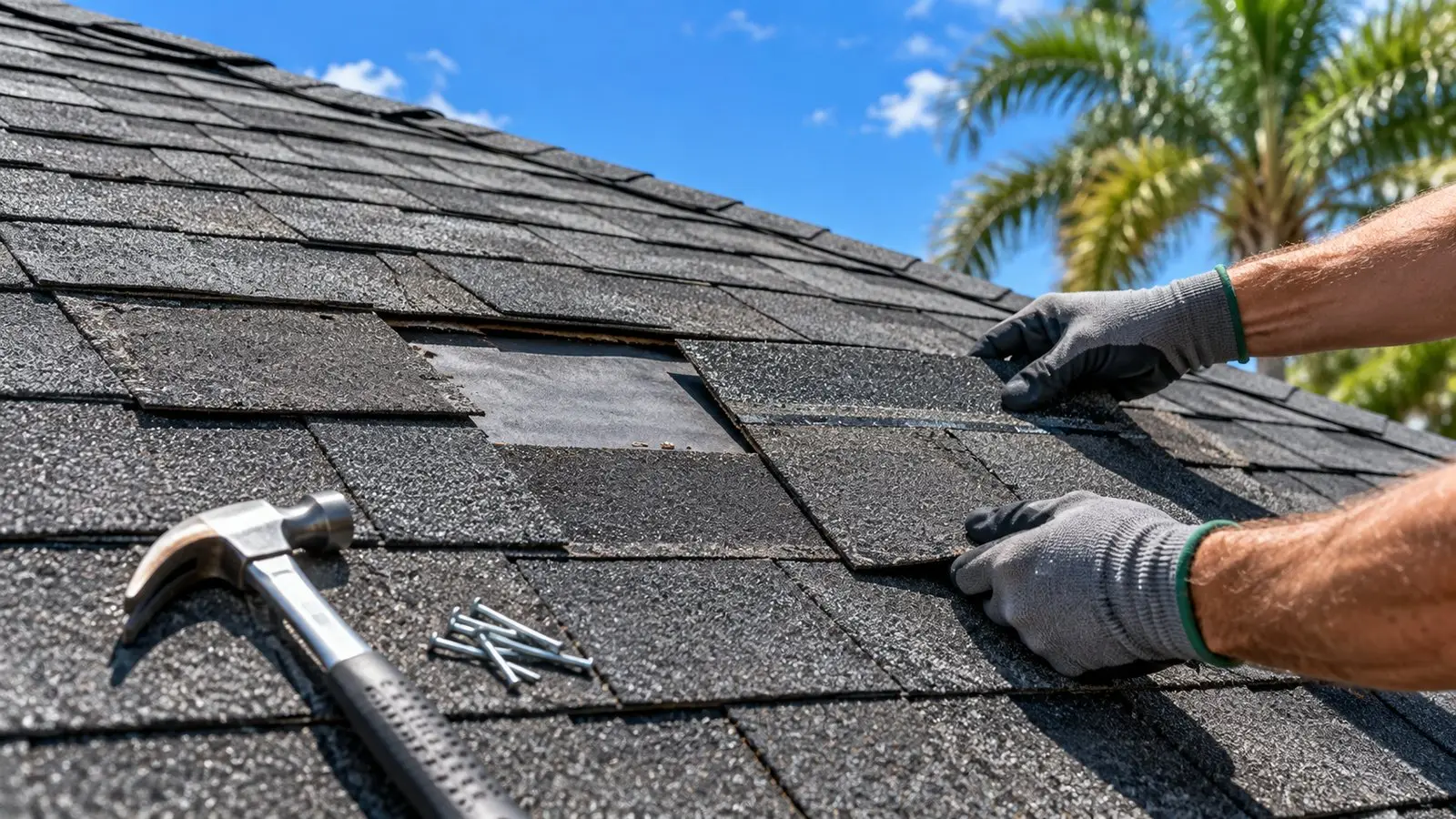
Roof Repair
Leaks found and fixed at the source. If a repair is the right answer we will say so; if it is throwing money at a roof that is done, we will say that too.
Roof repair in Ocala →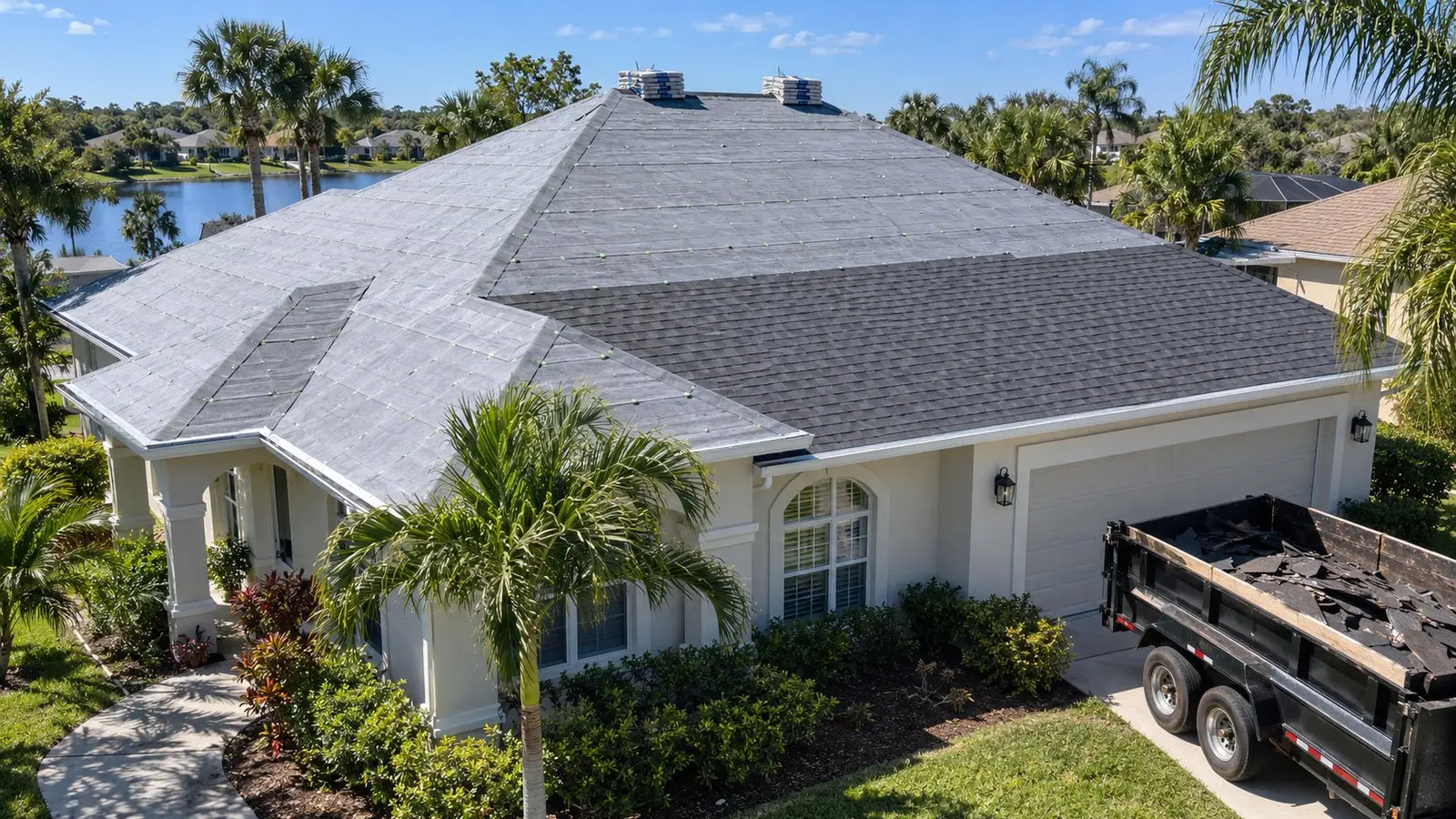
Roof Replacement
Tear-off to final inspection: a new roof system built to the current Florida Building Code, not just new shingles over old problems.
Roof replacement in Ocala →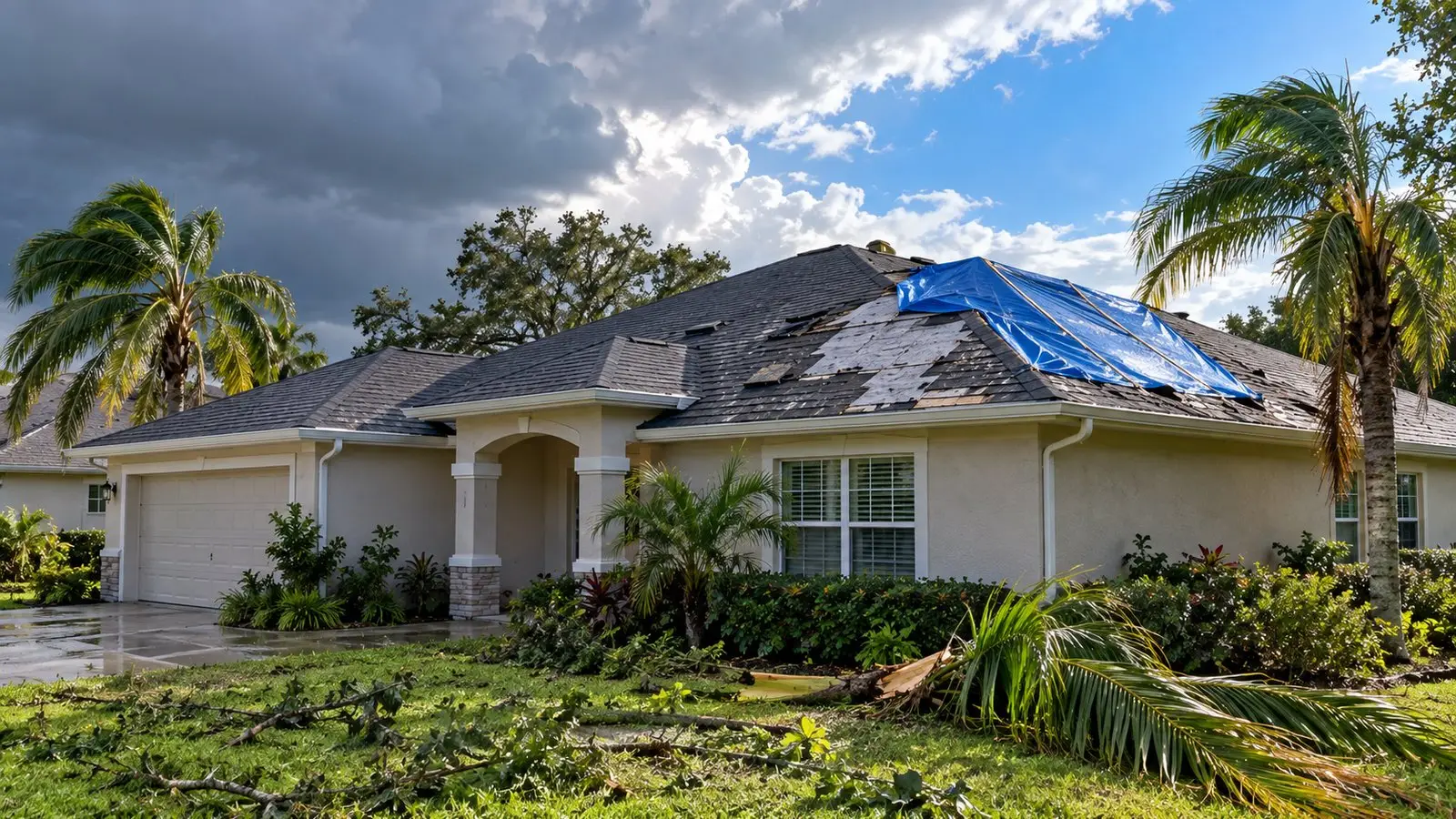
Storm Damage
Tarping, documented damage inspections and a written scope your adjuster can work from. We fix the roof; we do not play games with your claim.
Storm damage roof repair in Ocala →Questions we get asked
Roof Inspections questions
Is a roof inspection free?
Can you do my 4-point inspection?
My insurer says my roof needs five years of remaining life. What does that mean?
How do you know how old my roof is?
Where we work
Roof inspections across Marion County
Free estimates
Get your estimate today
Tell us where the house is and what the roof is doing. We'll call you back and come look at it with you — free, and no obligation either way.